Legacy Application Modernization Services
Modernize with business continuity in view. Intelecox assesses dependencies and modernization options, then connects engineering, cloud, APIs and testing around an agreed transition plan.
What is Application Modernization?
Application modernization improves legacy software, architecture and technology components so they can support current business and integration needs. Intelecox assesses dependencies and modernization options, then connects engineering, cloud, APIs and testing around an agreed transition plan.
Start with the business need and agree the delivery scope, dependencies and acceptance criteria before committing to implementation.
Explore Technology Consulting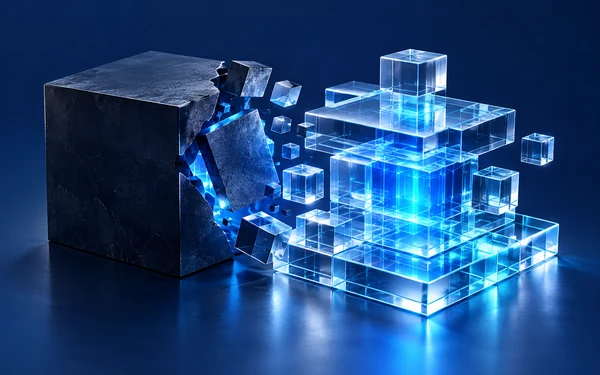
Application Modernization capabilities
Connect the relevant skills and workstreams around your requirements, system dependencies and delivery priorities.
Application Assessment
Review application architecture, technology stack, dependencies and modernization drivers.
Discuss your needsArchitecture Modernization
Evolve application structures to improve maintainability, scalability and integration readiness.
Discuss your needsTechnology Stack Modernization
Replace or update aging components using modern engineering technologies where appropriate.
Discuss your needsCloud-Ready Modernization
Prepare or adapt applications for cloud migration and modernization initiatives.
Discuss your needsIntegration Modernization
Improve legacy connectivity through APIs and modern integration patterns.
Discuss your needsModernization Testing
Use structured testing and QA automation to validate changed functionality and integrations.
Discuss your needsA clear path through application modernization.
Agree responsibilities, decision points and evidence at each stage, with the delivery plan tailored to the engagement.
Assess
Understand architecture, dependencies, business criticality and technical constraints.
Plan
Select a modernization path and sequence work around risk and dependencies.
Modernize
Refactor, rebuild, replatform or integrate components as appropriate to scope.
Validate
Test business functionality and integrations.
Transition
Release and support the modernized environment.
Practical outputs for application modernization.
- Current-state application assessment
- Dependency and risk map
- Target-state architecture recommendations
- Modernization roadmap and sequencing
- Modernized application components
- Integration and test plan
- Transition/support plan
Define success around your business needs.
- Reduced dependence on aging technology components
- Improved maintainability and integration readiness
- Better alignment with cloud and modern engineering environments
- A controlled modernization path that accounts for business continuity
Set baselines and acceptance criteria for the agreed scope, then review results alongside delivery evidence and operational feedback.
How should application modernization options be evaluated?
Use discovery to clarify the following inputs, identify missing information and agree the boundaries of the engagement.
- Business criticality and current operational constraints
- Architecture, technology stack and dependency inventory
- Data and integration requirements
- Options to retain, refactor, replatform or rebuild
- Regression coverage, release acceptance and transition risks
- Support ownership and staged deployment requirements
Connect this work with Cloud Migration & Modernization and API & Integration Services when those dependencies affect scope or release readiness.
Application Modernization FAQs
Answers about scope, delivery decisions, quality and ongoing ownership.
Does modernization always mean rebuilding the application?
No. Assess whether to retain, integrate, refactor, replatform or rebuild components based on business fit, constraints and dependencies. A complete replacement is one option rather than the default.
How is cloud migration different from application modernization?
Cloud migration changes where an application runs. Modernization changes aspects of its architecture, technology or behavior. A program may include both, but moving an application alone does not resolve every maintainability or integration issue.
Can modernization be phased?
A phased plan can sequence changes by business criticality, dependency and risk. Define coexistence, data consistency, testing and transition requirements before separating work into releases.
How do you protect existing business functionality?
Document critical workflows, integrations and acceptance criteria before changes. Establish regression coverage, representative test data and release evidence to evaluate whether required behavior is preserved.
What information is needed for an assessment?
Provide architecture or code documentation where available, system dependencies, known defects, support constraints and planned platform changes. Discovery should identify missing information and the evidence needed to compare options.
What determines modernization cost and schedule?
Application complexity, technical debt, dependencies, data migration, test coverage and transition requirements affect effort. Use the assessment to agree a bounded roadmap and proposal; no fixed duration or savings guarantee is published here.
Plan your next application modernization engagement.
Share your goals, current constraints and priorities with Intelecox to define a practical scope and next steps.